According to Defne Karaosmanoglu, a research associate at the Centre for Migration and Diaspora Studies at the University of London, “food cultures of a particular community help us to understand how that community connects to the past, lives in the present and imagines its future.” At a time when there are more displaced people on planet earth than there have ever been before, we are witnessing a literal cultural movement. As people migrate, generations of stories, traditions and ideas naturally travel with them, and are introduced to an entirely new land.
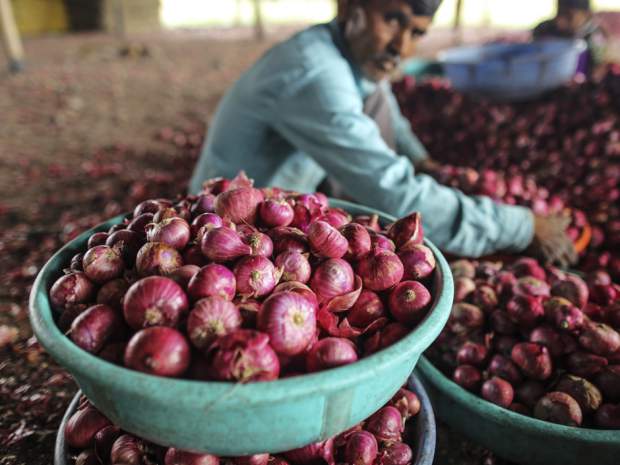
The most obvious cultural element to make this journey is food. It is the easiest to make the transition, and the most important. In her first cookbook, Lebanese Cuisine, Anissa Helou, a renowned chef with a focus on the culinary heritage of the Middle East, Mediterranean and North Africa, sought inspiration from the Lebanese civil war, which lasted from 1975 to 1990, taking nearly 300,000 casualties with it and displacing 80,000 civilians. British historian Robert Irwin described her recipe collection as “no mere utilitarian manual, but a wistful evocation of feats and picnics held in an easy-going, Levantine environment which all but came to an end … in 1975.”