Vulnerable communities disproportionately bear the brunt of environmental degradation caused by plastics pollution, according to new UN Environment Programme report.
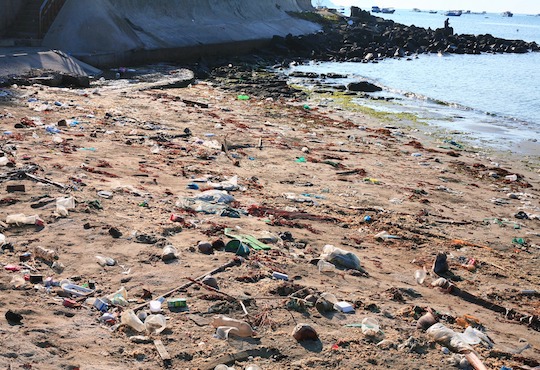
The United Nations Environment Programme (UNEP) and the non-governmental organisation Azul have released a new report highlighting how plastic pollution disproportionately affects marginalised communities and communities living in close proximity to plastic production and waste sites.
The report, NEGLECTED: Environmental Justice Impacts of Marine Litter and Plastic Pollution, calls for the recognition of these communities and their inclusion in local decision making. The impacts of plastics on marginalized populations are severe, and exist at all stages of the production cycle, from extracting raw materials and manufacturing, through to consumption and disposal.
Aggravated by the COVID-19 pandemic, plastic waste has become a major part of the global pollution crisis, along with biodiversity loss and climate change, representing a triple emergency that must be tackled by strong and effective action plans. There is great concern that the pandemic may reverse any progress on reducing consumption of single-use plastic.
Read full article Environmental Justice Impacts of Marine Litter and Plastic Pollution at oneplanetnetwork.org
Photo credit: Sergei Tokmakov www.thecorporateattorneys.com from Pixabay