Natural ecosystems, such as forests, grasslands and oceans, do a pretty good job of storing carbon and supporting biodiversity. It’s therefore no surprise that Nature-based Solutions (NbS) – actions to protect, sustainably manage and restore natural or modified ecosystems, for the benefit of people and nature – are being widely discussed by NGOs, multi-stakeholder platforms and coalitions of countries as “win-win” solutions to the climate and biodiversity crises. But implementing NbS alone is not enough. Their success or failure ultimately depends on the extent to which the world transitions to healthier, more sustainable planet-based diets.
The connection between NbS and dietary patterns comes down to land. Land-use has generally been considered a local environmental issue, but it is becoming a force of global importance and may be the single most pressing environmental issue of our day. Nature-positive farming methods are often promoted as a way to feed humanity while reducing the environmental impact of food production. This includes sequestering more carbon in the soils and above-ground biomass such as trees, supporting biodiversity through wildlife corridors or riparian buffers, and reducing inputs such as nitrogen or pesticides. Yet even these types of NbS will drive an increase in demand for land if trends in food consumption patterns continue.
Read full article Nature-based Solutions can save the planet, but only if we change our diets too at weforum.org
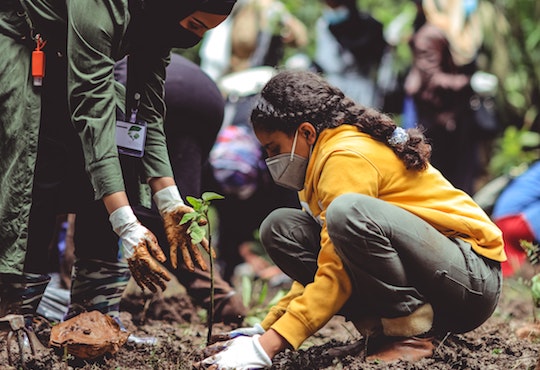
Photo by Eyoel Kahssay on Unsplash