ABOUT IGCAT
IGCAT aims to empower local communities by raising awareness of the importance to protect and promote distinct regional food, culture, arts and natural assets as part of sustainable and balanced tourism and development strategies. This is essential to safeguard our planet, health, wellness and local economies.
IGCAT is a non-profit institute established in 2010, working with regional stakeholder consortiums in the fields of gastronomy, culture, arts and tourism. It counts on the expertise of a worldwide network of experts and works in partnership with specialised intergovernmental organisations.
IGCAT provides the European and World Region of Gastronomy Award and is the official secretariat for the World Region of Gastronomy and the European Region of Gastronomy Platforms. Furthermore, the Institute has developed the European Young Chef Awards, the World Food Gift Challenge, the Top Foodie Websites Awards and the International Food Film Menu Awards.
Focus Areas
IGCAT’s six focus areas define the key priorities of the World Regions of Gastronomy. They guide regions in using gastronomy as a tool to address food systems, culture, sustainability, education, tourism, and well-being at a territorial level.
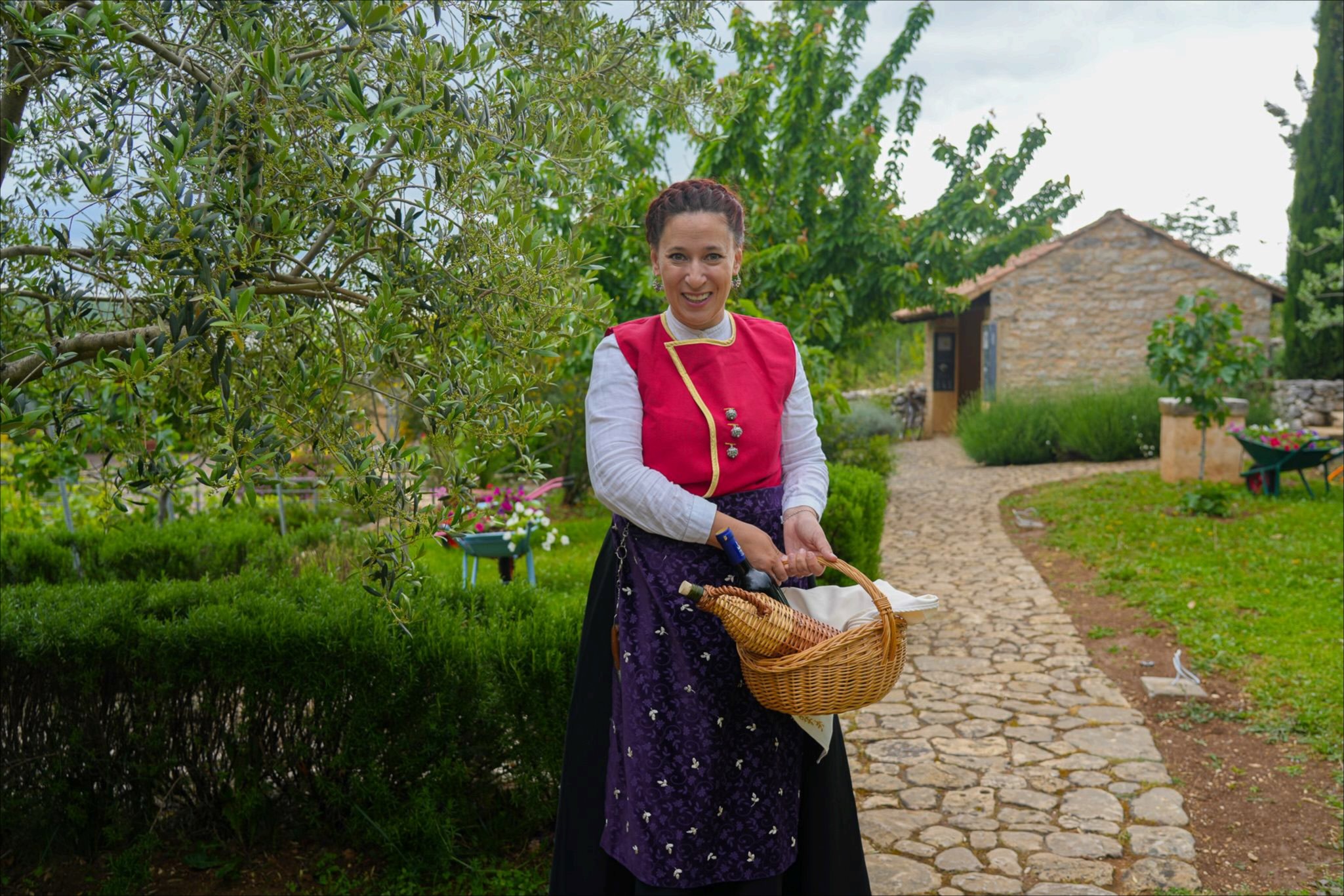
Feeding the Planet
Aligned with the UN Sustainable Development Goals, this focus area addresses food security through biodiversity protection and sustainable food systems. Regions work on issues such as sustainable farming, food kilometres, pollinators, and food waste, while sharing knowledge, tools, and project models to support future food security.
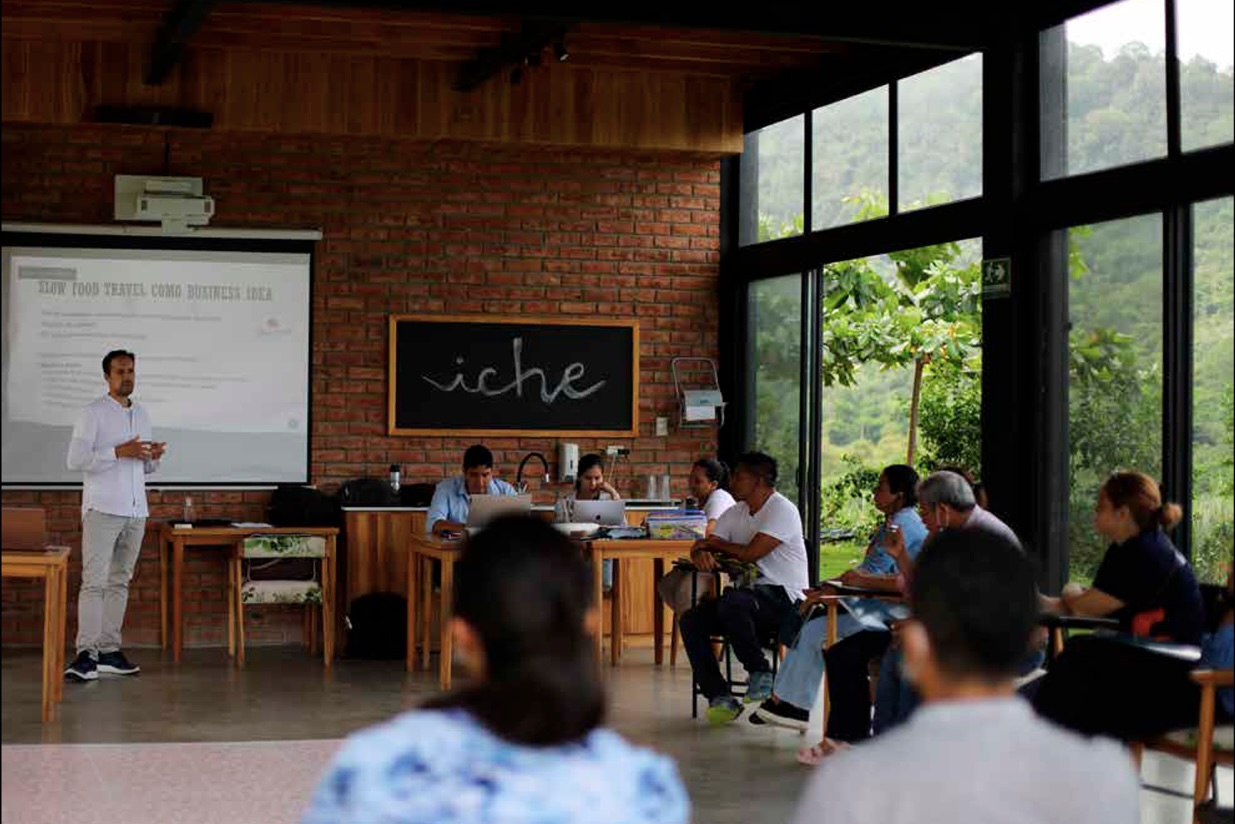
Innovation, Creativity and Job Opportunities
This focus area highlights creativity, storytelling, and digital tools as drivers of new products, services, and jobs. By promoting local products, culture, and creative industries, regions strengthen sustainable food markets, tourism links, and pride in regional identity.

Educating for our Future
Education is central to ensuring access to good, local, and healthy food for all. Through culinary and cultural education and collaboration with knowledge sectors, regions promote responsible consumption, public health, sustainability, and awareness of regional food cultures.
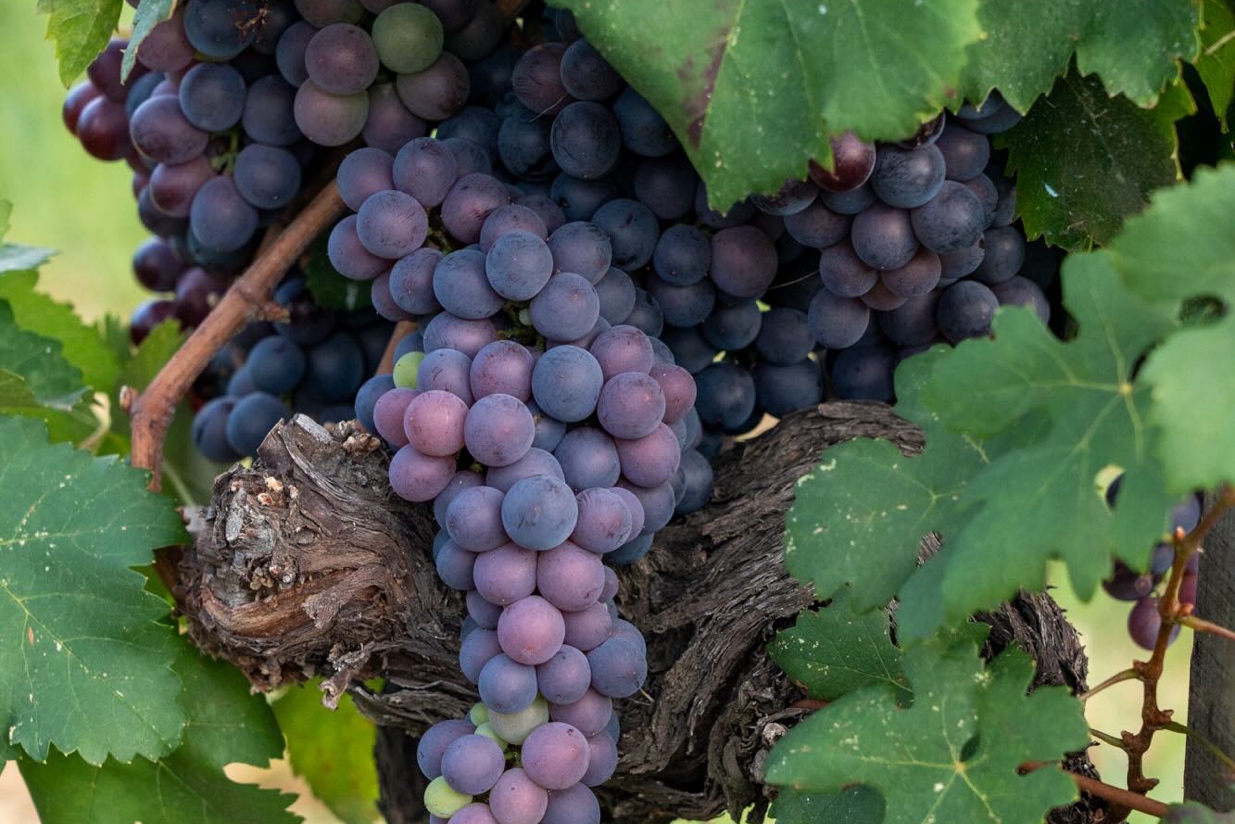
Well-being and Healthier Living
Regional gastronomy is a key asset for sustainable tourism and innovation in hospitality. By integrating local food, traditions, and events into tourism strategies, regions increase visibility, support rural economies, and ensure more balanced cultural, environmental, and economic benefits.

Balanced and Sustainable Tourism
IGCAT promotes healthier lifestyles through engagement with natural farming, outdoor activities, and culinary traditions. By increasing transparency around food production and nutrition and showcasing wholesome local food, regions support holistic well-being for citizens and visitors alike.
Linking Urban and Rural
This focus area aims to reconnect urban and rural communities through food and cultural initiatives. By revalorising traditional and indigenous food knowledge, regions bridge divides, raise awareness of food origins, and strengthen social cohesion.
World Regions of Gastronomy
A global platform recognising regions that use gastronomy as a driver for sustainable development, cultural exchange and community wellbeing. Through long-term programmes and international visibility, the initiative highlights how food can strengthen regional identity, support local economies and foster collaboration worldwide.
European Regions of Gastronomy
An initiative recognising European regions that use gastronomy to support sustainable development, cultural diversity and social cohesion. The programme promotes long-term strategies, knowledge exchange and collaboration across Europe, highlighting the role of food in strengthening regional identity and local economies.
